



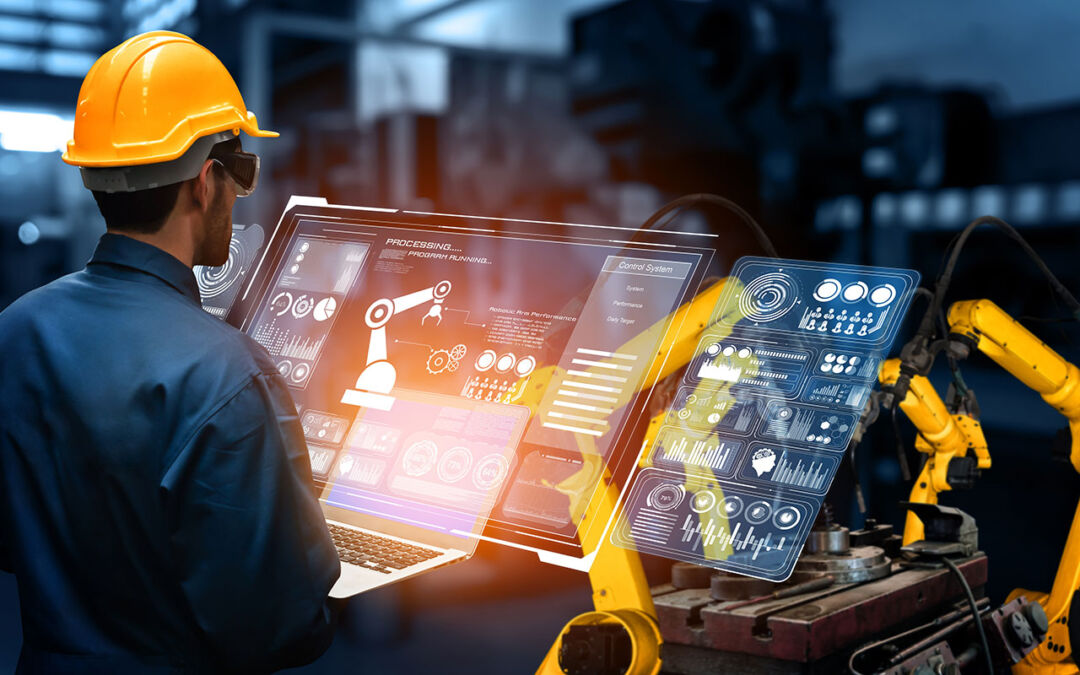

The rapid growth of automation technologies is reshaping the IT job market, fundamentally altering the roles, responsibilities, and skill requirements of technology professionals. Advances in robotic process automation (RPA), artificial intelligence (AI), machine learning (ML), and cloud-native automation are enabling companies to streamline operations, reduce repetitive tasks, and optimize workflows—while simultaneously creating both opportunities and challenges for IT workers.
From software development and cybersecurity to system administration and DevOps, automation is redefining how IT work is performed and who performs it.
The Rise of Intelligent Automation
Modern automation technologies extend far beyond traditional scripting and task scheduling. Key trends include:
- Robotic Process Automation (RPA): Tools like UiPath, Automation Anywhere, and Blue Prism automate routine administrative and operational IT tasks, such as account provisioning, report generation, and system monitoring. (uipath.com)
- AI-driven Automation: Large language models (LLMs) and generative AI are increasingly used to write code, troubleshoot errors, and optimize workflows. OpenAI’s Codex, GitHub Copilot, and Microsoft Copilot for enterprise IT are prime examples. (microsoft.com)
- Infrastructure as Code (IaC) and Cloud Automation: Tools like Terraform, Ansible, and AWS CloudFormation allow IT teams to deploy and manage infrastructure programmatically, reducing the need for manual configuration.
- Autonomous IT Operations (AIOps): Platforms like Moogsoft and Splunk leverage AI to detect anomalies, predict outages, and recommend fixes without human intervention. (splunk.com)
The convergence of these technologies is enabling organizations to automate repetitive, time-consuming IT work, while focusing human talent on strategic and creative tasks.
Impacts on IT Roles
Automation is having a profound effect on traditional IT roles:
1. Software Development and DevOps
- AI-assisted coding reduces the time developers spend on boilerplate code, bug fixes, and code reviews.
- DevOps engineers increasingly rely on automated CI/CD pipelines and self-healing infrastructure.
- Skills demand is shifting toward model management, automation integration, and monitoring AI-driven systems. (techcrunch.com)
2. System Administration
- Routine system updates, patching, and monitoring are increasingly automated via scripts, bots, and AI-driven tools.
- Administrators are focusing on orchestration, security, and high-level system architecture rather than repetitive tasks.
3. Cybersecurity
- Automated threat detection, vulnerability scanning, and incident response are becoming standard.
- AI models can predict potential security breaches before they occur, reducing the need for manual monitoring.
- Cybersecurity roles now emphasize incident management, risk assessment, and AI oversight. (cyberscoop.com)
4. Data Management and Analytics
- ETL pipelines, database maintenance, and analytics reports are increasingly automated.
- Data engineers and analysts are expected to validate AI outputs, manage data pipelines, and ensure data quality.
Opportunities Created by Automation
While automation eliminates certain repetitive tasks, it also creates significant opportunities:
- High-value IT roles: Professionals can focus on strategy, innovation, AI integration, and complex problem-solving.
- Demand for AI-literate IT staff: Companies need engineers who understand AI/ML model deployment, monitoring, and ethical considerations.
- Hybrid roles: The rise of AI-driven automation has created roles like AI Ops engineer, cloud automation architect, and AI-integrated security analyst. (gartner.com)
Automation enables organizations to increase efficiency, reduce costs, and scale operations, while simultaneously requiring employees to adapt and upskill.
Skill Shifts and Workforce Adaptation
The IT workforce must adapt to remain relevant in an increasingly automated environment:
- Technical skills:
- AI and ML integration
- Cloud architecture and IaC
- Scripting and workflow automation
- Soft skills:
- Strategic thinking and problem-solving
- Collaboration across AI-assisted workflows
- Ethical decision-making and AI governance
Educational platforms like Coursera, Udemy, and LinkedIn Learning report increasing demand for courses on AI-assisted IT operations and automation tools, indicating that workforce training is critical. (coursera.org)
Challenges and Risks
Automation also brings challenges to the IT job market:
- Job displacement: Some low-level or repetitive IT tasks may be eliminated.
- Skill gap: Rapid adoption of AI and automation requires continuous learning.
- Complexity of AI oversight: Automated systems can introduce errors or biases, requiring humans to remain vigilant.
- Security risks: Automation increases the attack surface if AI-driven workflows are misconfigured.
Organizations must balance efficiency gains with workforce reskilling and ethical deployment strategies.
Economic and Industry Impacts
Automation technologies are reshaping not just IT teams, but the broader technology ecosystem:
- Higher productivity: IT operations can scale with fewer personnel performing repetitive tasks.
- Cost reduction: Automated processes reduce labor costs and operational downtime.
- Acceleration of innovation: Freed from routine tasks, IT teams can focus on developing new products and services.
- Global competition: Organizations adopting AI-driven IT operations gain strategic advantages in speed and reliability. (mckinsey.com)
Case Studies
Microsoft
- Integrates AI in Azure DevOps and Microsoft 365 Copilot to automate coding, document summarization, and workflow management.
- Uses AI-driven monitoring and predictive analytics in Google Cloud Platform to reduce downtime and optimize performance.
UiPath
- Provides RPA tools enabling enterprise IT teams to automate HR, finance, and customer service processes alongside IT operations.
These examples show how automation adoption varies across industries, but consistently emphasizes efficiency, speed, and scalability.
The Future of IT Work
Experts predict that by 2030:
- 80% of repetitive IT tasks could be automated through AI and RPA.
- New hybrid roles combining AI oversight, cybersecurity, cloud orchestration, and business analysis will become standard.
- Human IT professionals will increasingly focus on decision-making, strategy, and ethical AI governance rather than operational execution.
The key takeaway is that automation is not eliminating IT work but transforming it into higher-value, more strategic roles.
New automation technologies are transforming the IT job market at an unprecedented pace. AI, RPA, and cloud-native automation are automating routine tasks, shifting skill demands, and creating opportunities for IT professionals to focus on strategy, innovation, and complex problem-solving.
While challenges like workforce reskilling and job displacement remain, the overall trend suggests a more efficient, productive, and innovation-focused IT ecosystem. Organizations and employees that adapt quickly will benefit from the increased capabilities that automation provides, while shaping the future of IT work.