




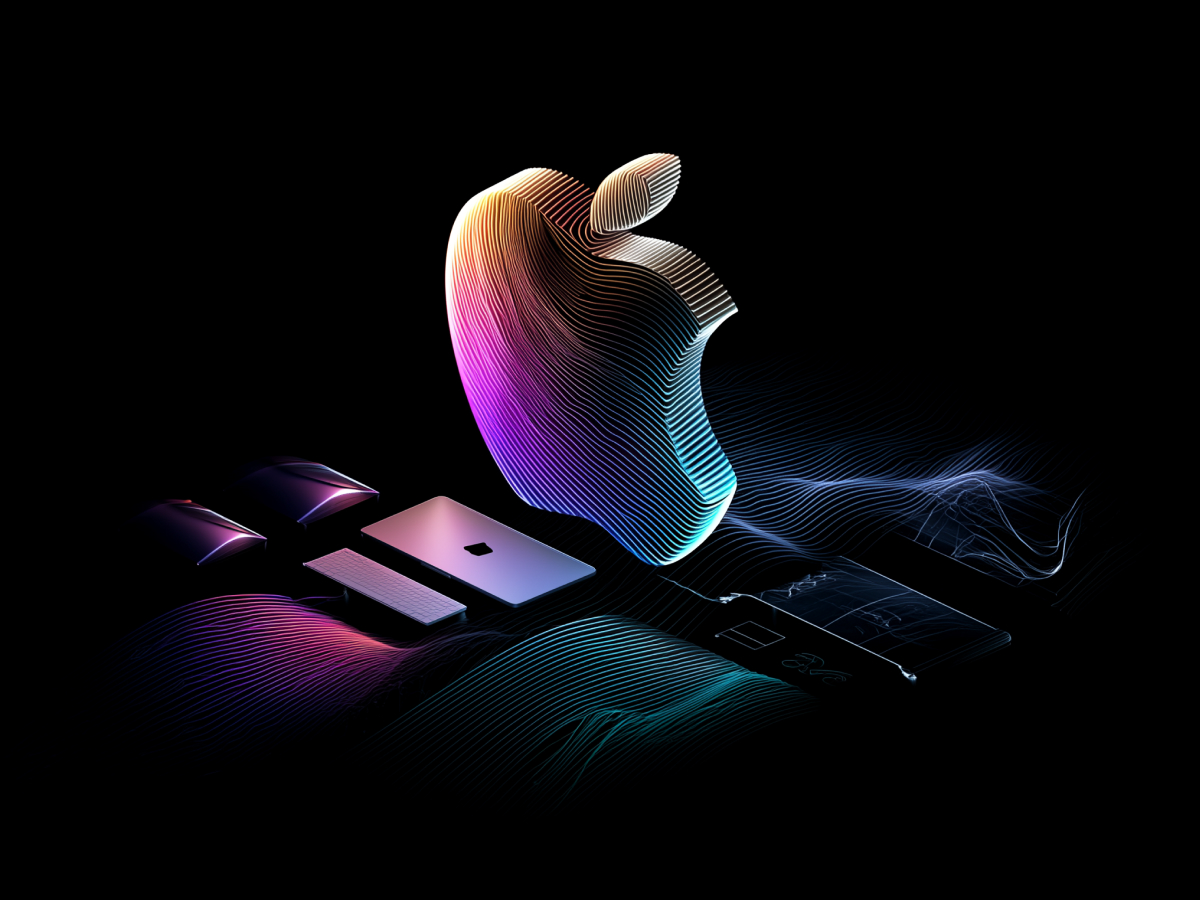

Apple is actively expanding its presence in the generative AI space, focusing on deep integration across its ecosystem of devices and services. Rather than launching standalone AI products, Apple’s strategy centers on embedding intelligence directly into everyday user experiences—across iPhone, iPad, Mac, and cloud-based services.
- The Emergence of Apple Intelligence
- Generative AI Built Into Core Features
- Siri’s Transformation with Generative AI
- Developer Access and Ecosystem Expansion
- Privacy as a Core Differentiator
- Partnerships and Hybrid AI Strategy
- Business Impact and Services Growth
- Challenges and Limitations
- The Future of Apple’s AI Ecosystem
This approach, branded as Apple Intelligence, reflects a broader shift in the company’s long-term vision: making AI a seamless, privacy-focused layer within its existing software and hardware ecosystem.
The Emergence of Apple Intelligence
Apple officially introduced its generative AI platform, Apple Intelligence, as a system-wide layer of AI capabilities built into its operating systems. These features are powered by a combination of on-device models and cloud-based processing.
According to Apple, Apple Intelligence includes multiple generative models designed for everyday tasks, such as writing, summarization, image creation, and task automation.
Unlike many competitors, Apple emphasizes:
- On-device processing where possible
- Tight integration with apps and system features
- Strong privacy protections
This marks a significant evolution from earlier AI features like Siri, transforming Apple’s ecosystem into a more context-aware and intelligent environment.
Generative AI Built Into Core Features
One of the most important aspects of Apple’s AI integration is how deeply it is embedded into native apps and system tools.
Writing and Communication Tools
Apple has introduced AI-powered writing tools that allow users to:
- Rewrite and refine text
- Adjust tone (formal, friendly, concise)
- Summarize long content
- Generate structured outputs like lists or tables
These features are integrated into apps like Mail, Notes, and Pages, making generative AI part of everyday communication workflows.
Image Generation and Creative Tools
Apple Intelligence also includes generative image capabilities through features like:
- Image Playground (AI image creation)
- Genmoji (custom AI-generated emojis)
These tools allow users to create personalized visual content directly within messaging and creative apps.
Real-Time Language and Context Understanding
Another major innovation is Live Translation, which enables real-time translation across apps and conversations.
Additionally, “visual intelligence” allows users to:
- Understand on-screen content
- Interact with images and text dynamically
- Get contextual information without switching apps
These features reflect Apple’s push toward multimodal AI—combining text, images, and real-world context.
Siri’s Transformation with Generative AI
Apple’s voice assistant, Siri, is undergoing one of its most significant upgrades since launch.
Recent updates include:
- Integration of large language model capabilities
- More natural conversation and improved understanding
- Optional integration with external AI systems like ChatGPT
The goal is to transform Siri from a command-based assistant into a more conversational and context-aware AI system.
However, Apple has also faced delays in rolling out some advanced Siri features, highlighting the technical complexity of building reliable generative AI systems.
Developer Access and Ecosystem Expansion
Apple is not limiting generative AI to its own apps—it is also opening access to developers.
At WWDC 2025, the company introduced a foundation models framework, allowing third-party developers to:
- Access Apple’s on-device AI models
- Build AI-powered features into their apps
- Run AI locally, even without internet access
This move expands Apple’s AI ecosystem and encourages innovation while maintaining control over performance and privacy standards.
Privacy as a Core Differentiator
A defining feature of Apple’s AI strategy is its emphasis on privacy.
Key principles include:
- Processing data directly on the device using the Neural Engine
- Minimizing data sent to external servers
- Giving users control over AI features and integrations
Apple’s hardware—particularly its custom silicon with Neural Engine acceleration—plays a crucial role in enabling real-time AI processing without compromising user data.
This contrasts with many cloud-first AI systems and positions Apple as a privacy-focused alternative in the AI market.
Partnerships and Hybrid AI Strategy
Despite its focus on in-house development, Apple is also exploring partnerships to accelerate its AI capabilities.
Reports indicate:
- Integration of external models like ChatGPT into Siri
- Potential collaboration with Google’s Gemini for advanced AI features
This hybrid approach allows Apple to:
- Fill gaps in its current AI capabilities
- Accelerate feature development
- Remain competitive with rivals like Google and Microsoft
Business Impact and Services Growth
Generative AI is expected to play a major role in Apple’s services business.
Analysts estimate that AI-driven features could generate $10–15 billion in additional annual revenue by 2027, primarily by enhancing existing services and enabling new premium offerings.
AI integration is likely to:
- Increase user engagement across Apple services
- Strengthen ecosystem lock-in
- Enable new subscription-based features
Challenges and Limitations
Despite rapid progress, Apple’s AI rollout has not been without issues.
Some challenges include:
- Delays in advanced Siri capabilities
- Accuracy concerns in early AI-generated features
- Gradual rollout of functionality across updates
For example, Apple temporarily paused certain AI-generated news summaries due to inaccuracies, reflecting broader industry challenges with generative AI reliability.
The Future of Apple’s AI Ecosystem
Apple’s long-term strategy suggests that generative AI will become a foundational layer across all its products and services.
Key trends include:
- Deeper integration across devices (iPhone, Mac, Vision Pro)
- More personalized, context-aware experiences
- Expansion of on-device AI capabilities
- Continued balance between performance and privacy
Apple is not aiming to dominate AI through standalone chatbots, but rather by embedding intelligence into every interaction—making AI invisible, yet essential.
Apple’s integration of generative AI into its services represents a major evolution in its technology strategy. Through Apple Intelligence, the company is transforming its ecosystem into a smarter, more adaptive environment—while maintaining its core focus on privacy and user experience.
Although still evolving, Apple’s approach highlights a different vision for AI: not as a separate tool, but as an integrated layer that enhances everything users already do.